ISSN: 1941-4137
POETRY THAT ENACTS THE ARTISTIC AND CREATIVE PURITY OF GLASS
POETRY THAT ENACTS THE ARTISTIC AND CREATIVE PURITY OF GLASS
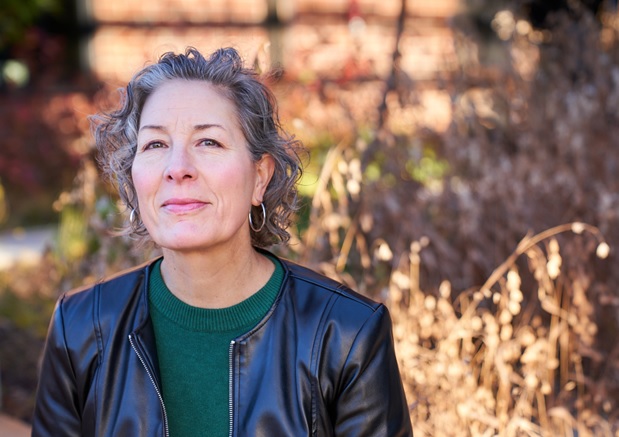
Lisa Zerkle’s poems have appeared in Quartet, Raleigh Review, Nimrod, storySouth, LEON Literary Review, Rogue Agent and elsewhere. A graduate of the MFA Program for Writers at Warren Wilson College, she serves as senior editor for Painted Bride Quarterly, a podcaster on PBQ’s Slush Pile, and an editor for Iron Oak Editions. She wants to meet your dog.
September 24, 2025
High Sierra Incantation
This is a laying on of hands. Place your palms lightly on the jagged bark of the Jeffrey Pine. Watch the ants traffic its crags. Spread your fingers wide. Lean in and inhale the faint resin scent of butterscotch and vanilla like a sacrament.
The wild blue sky thin and crystalline. It’s hard to breathe here. Did you hear? It’s hard to read here.
Be in attendance. No, not that lazy place holding, not waiting for the red light’s end, not numbed in the grocery by the beeping of UPCs, but attending as summoning, as a kind of spell casting. Of spirit and attention.
By the river, recline on a broad slab of granite. The heat. Feel it? Extraterrestrial fire lights up your bones.
Magenta is an offering the penstemon presents to both bee and bird.
Dusk pinks over the highest pined dome while a fine vibration rises in your chest. The same rabbity rising as after an unwished-for star.
You’re no good at patience, but you’re practicing. Say magenta. Say it again.
I’ve long been intrigued by Viktor Shklovsky’s theory that the goal of art is to defamiliarize an object or experience in order to re-create the feeling of encountering something for the first time, allowing the viewer/reader “to see, really see” a thing as a fresh experience imbued with wonder. Defamiliarization, in his famous quote, is how art, “makes the stone stony.” Since humans are famously adaptable, we quickly become numb to our surroundings, even the most sublime. Last summer I had the good fortune to spend time near Lake Tahoe in community with other poets. I’d never lived at such high elevation before or explored that biome. Everything was new. The rivers were bracingly cold with snowmelt. The air so dry that my lips chapped like it was the middle of winter. I recognized no plants or animals. And I was in that state of hyper-awareness that spending time in a group of poets fosters. It was entirely disorienting. This poem is my attempt to convey the clarity and electricity of dwelling in a state of wonder.
Glass: A Journal of Poetry is published weekly by Glass Poetry Press.
All contents © the author.
All contents © the author.